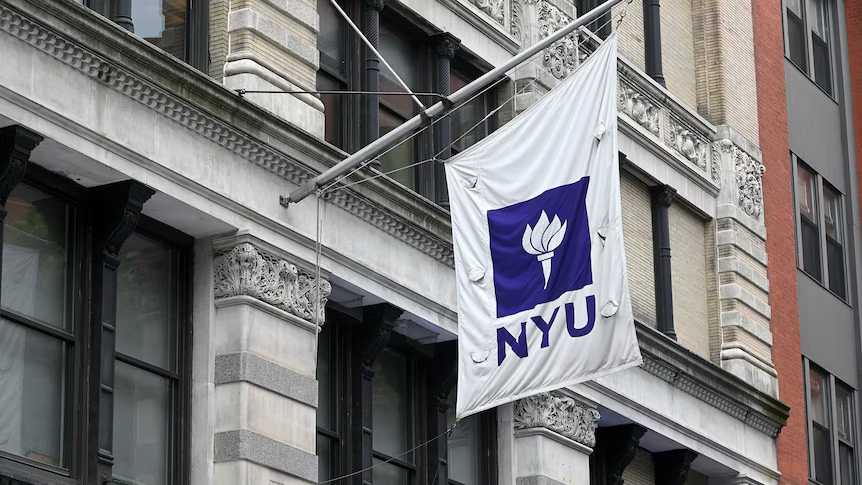
New York University (NYU) is one of the world’s premier centers of higher education, renowned for its academic rigor, interdisciplinary programs, and global reach. Situated in the heart of New York City, NYU combines the intellectual vibrancy of an urban environment with a commitment to scholarly excellence, preparing students to become leaders in a complex, interconnected world. With more than 400 programs spanning undergraduate, graduate, and professional levels, NYU Academics provides students with a transformative educational experience rooted in innovation, research, and cultural engagement.
A Diverse Academic Landscape
NYU is home to 15 schools and colleges, each offering specialized programs that meet the evolving needs of modern students. From the Tisch School of the Arts, known for its outstanding creative programs, to the Stern School of Business, which fosters future global business leaders, NYU ensures that students have access to top-tier education in virtually every field. The College of Arts and Science provides a strong foundation in the liberal arts and sciences, encouraging critical thinking and intellectual exploration across disciplines.
Undergraduate students benefit from a broad selection of majors and minors, totaling more than 270 fields of study. These options allow students to tailor their academic journey to align with their personal interests and career goals. Graduate programs, on the other hand, are structured to offer advanced knowledge and professional skills, with over 350 master’s, doctoral, and professional degrees available across various disciplines.
Interdisciplinary Learning: Breaking Traditional Boundaries
One of NYU’s hallmark strengths is its commitment to interdisciplinary education. The Gallatin School of Individualized Study exemplifies this philosophy by allowing students to design their own programs, combining courses from multiple disciplines to address their unique intellectual interests. This flexibility fosters creativity, critical thinking, and the ability to synthesize complex ideas—skills essential for leadership in today’s world.
Other schools at NYU also emphasize cross-disciplinary collaboration. For instance, the Steinhardt School of Culture, Education, and Human Development integrates education, psychology, and the arts, while the Tandon School of Engineering collaborates with business and urban studies departments to address technological challenges in society. This cross-pollination of ideas ensures that students are not confined to a single discipline but are instead prepared to approach problems from multiple perspectives.
Global Engagement: Education Without Borders
NYU’s commitment to global education sets it apart as a university with a truly international outlook. The university operates fully accredited campuses in Abu Dhabi and Shanghai, providing students with opportunities to study and live abroad while maintaining access to NYU’s high academic standards. These campuses offer programs that mirror those in New York City, ensuring consistency in educational quality while immersing students in diverse cultural contexts.
Additionally, NYU encourages students to participate in study abroad programs and international exchanges. By engaging in global learning experiences, students gain unique perspectives, develop cross-cultural competencies, and cultivate networks that extend beyond the United States. This global presence strengthens NYU’s mission to prepare students for leadership roles in an increasingly interconnected world.
Cutting-Edge Research and Innovation
Research is central to NYU’s academic identity. The university hosts a multitude of research centers and institutes, covering fields from biomedical science and engineering to social policy and urban studies. These centers provide students and faculty with the resources necessary to explore groundbreaking ideas and address complex societal challenges.
Students at NYU are actively encouraged to participate in research, whether through independent projects, faculty-led initiatives, or collaborative group studies. For example, in the Center for Data Science, students work alongside professors to apply machine learning and artificial intelligence to real-world problems. Similarly, the Institute for Global Public Health fosters research that addresses pressing global health issues. This emphasis on research not only advances knowledge but also equips students with practical skills and professional experience.
Experiential Learning: Bridging Theory and Practice
NYU integrates experiential learning into its academic programs, ensuring that students apply theoretical knowledge to real-world situations. Internships, clinical experiences, and community engagement projects are essential components of many programs, particularly in fields such as education, social work, public policy, and business.
Through partnerships with local organizations, governmental agencies, and global institutions, NYU students gain hands-on experience that enhances their understanding of complex issues. Programs like the Wasserman Center for Career Development connect students with internships, mentorship opportunities, and career guidance, enabling them to translate academic knowledge into professional success.
Commitment to Social Impact and Civic Engagement
Education at NYU extends beyond academic achievement—it also emphasizes social responsibility. The university encourages students to engage with communities and apply their learning to address societal challenges. Whether through volunteer work, community-based research, or public service initiatives, students are empowered to make meaningful contributions to society.
Programs such as NYU’s Civic Engagement Initiative and the Education Studies program foster critical awareness of social issues and equip students with the skills to drive positive change. By promoting ethical leadership and civic responsibility, NYU ensures that graduates are not only knowledgeable but also socially conscious global citizens.
Embracing Technology and Innovation
NYU recognizes the transformative power of technology in education and research. The university invests heavily in digital resources, state-of-the-art laboratories, and innovative teaching methods. Programs in engineering, computer science, and data analytics leverage cutting-edge technologies, preparing students to thrive in a rapidly evolving professional landscape.
Moreover, NYU fosters entrepreneurship and innovation through incubators and accelerator programs. Students are encouraged to develop new ideas, start ventures, and collaborate with industry leaders, creating a dynamic environment where academic knowledge meets real-world application.
Campus Culture and Student Support
NYU’s academic excellence is complemented by a rich campus culture that supports student growth and well-being. With diverse student organizations, cultural events, and academic support services, NYU ensures that students have access to resources that enhance both their personal and intellectual development. Mentorship programs, academic advising, and counseling services provide guidance and support, helping students navigate the challenges of rigorous academic programs.
Conclusion: Preparing Leaders for a Global Future
New York University offers more than just an education—it provides a transformative experience that shapes the next generation of global leaders. Through its diverse programs, interdisciplinary approach, global engagement, cutting-edge research, and commitment to social impact, NYU equips students with the knowledge, skills, and perspective necessary to excel in a complex world.
By fostering intellectual curiosity, practical experience, and ethical leadership, NYU ensures that its graduates are prepared not only to succeed in their careers but also to make meaningful contributions to society. With its blend of academic rigor, global vision, and vibrant campus life, NYU remains a premier institution for students seeking a comprehensive, world-class education.